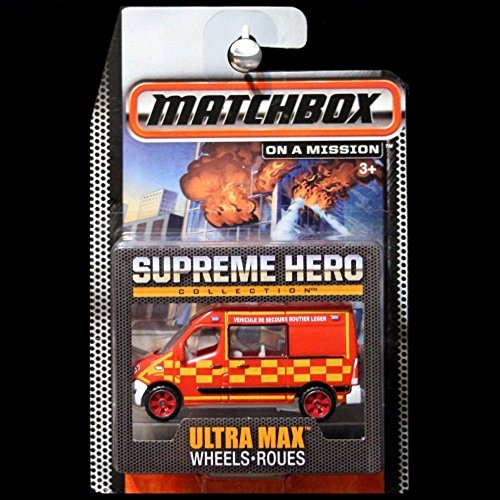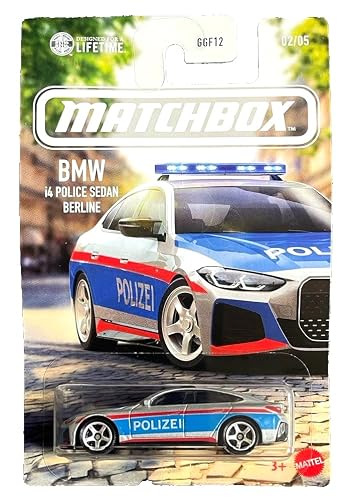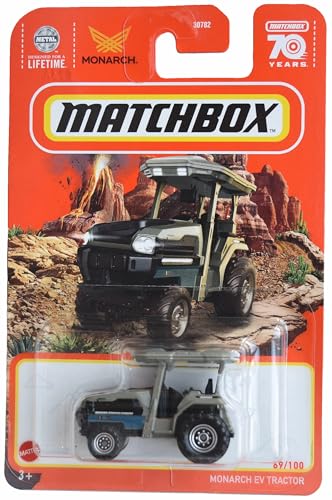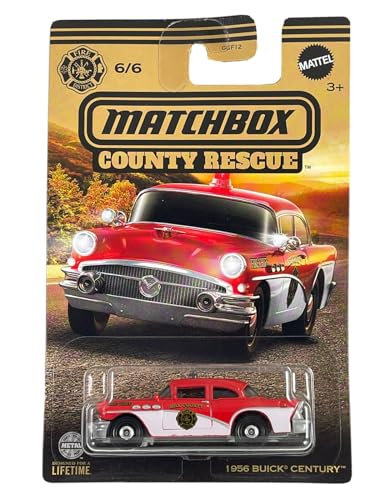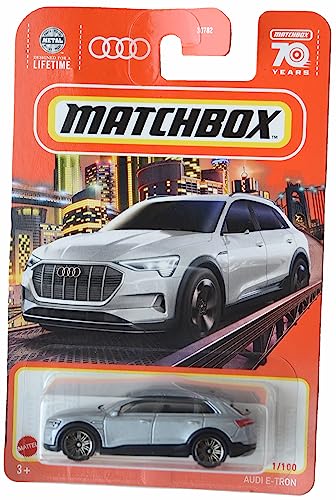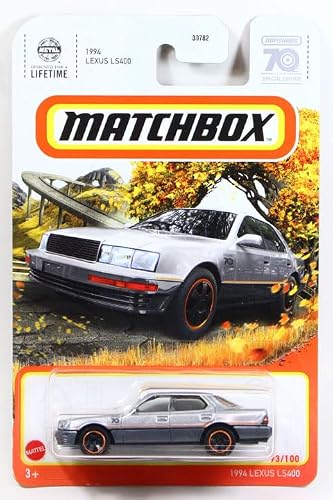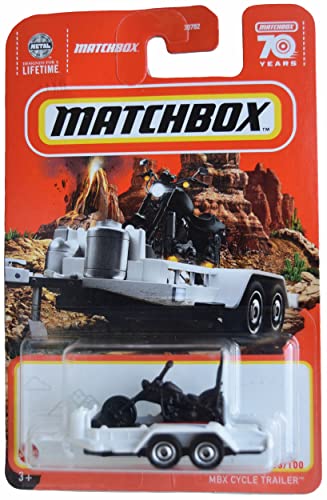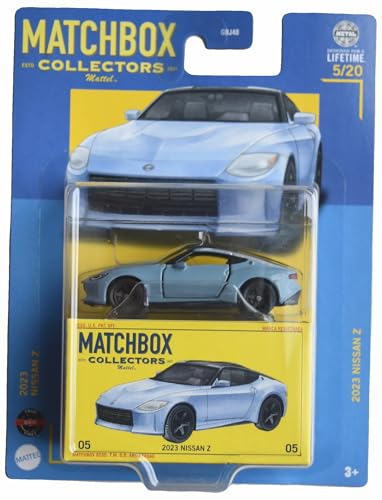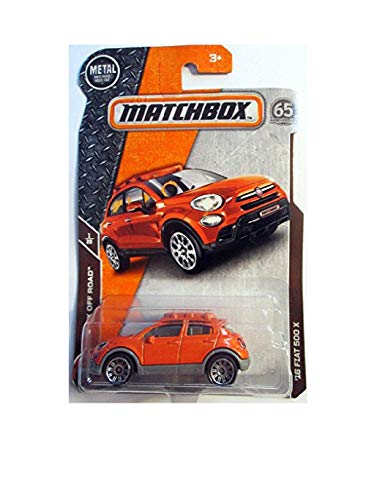
Basic MBX Off Road - '16 Fiat 500X
1:64
$3.75
Open the slot
Every Matchbox car we can find in stock, sorted into trays the way a collector sorts a case. Die-cast singles, multipacks, Action Drivers playsets, working rigs, Sky Busters aircraft and the Collectors line — with the price the store is asking today.
A Matchbox car exists because of a box. In 1953 a man at a British die-casting firm needed a toy small enough for his daughter to carry into school, where the rule was that a toy had to fit inside a matchbox. The model he made fit, the size stuck, and the manufacturer has been building to that ratio ever since. Seventy years on, a 1:64 scale car still closes inside a fist, and that one constraint is the reason a collection from 1960 and a collection bought this year line up on the same shelf.
We keep this catalogue the way we keep our own case — everything in a tray, nothing loose. There are eight trays. Die-cast cars holds the singles. Multipacks holds the five-packs and the big boxes. Action Drivers holds the garages and the track sets. Working rigs holds everything with a job: tractors, tippers, fire engines, ambulances, police cars. Sky busters holds the aircraft. Licensed holds the film cars. Large-scale holds the fifteen-inch trucks. Collectors holds the numbered premium releases.
What we do not do is guess. Each model on this site is checked against the manufacturer field before it gets a card, so a look-alike from another maker never ends up in a Matchbox tray. Prices and stock come from the listing, not from memory, and when a car is sold out we would rather show you the box it comes in than pretend otherwise.
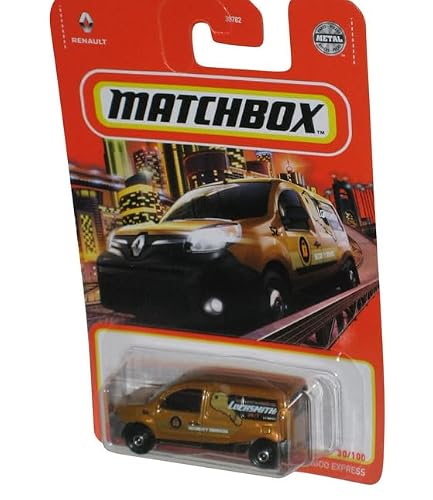
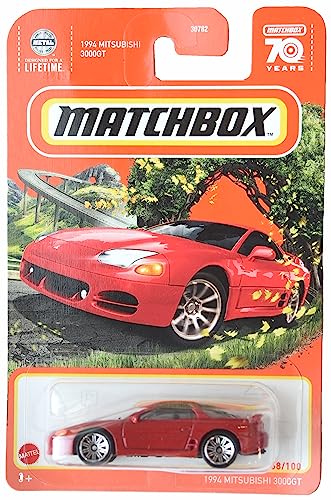
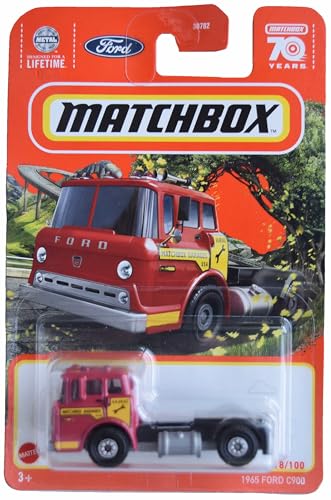
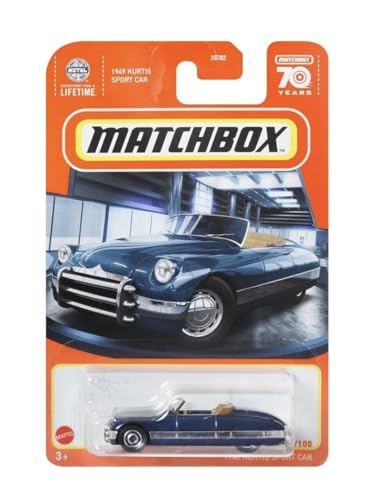
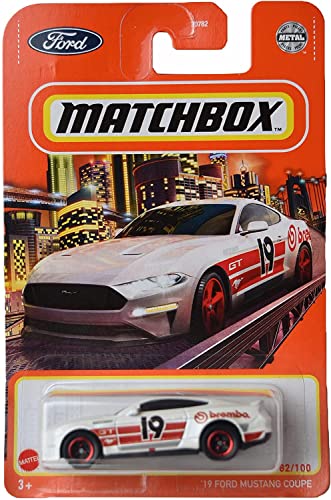
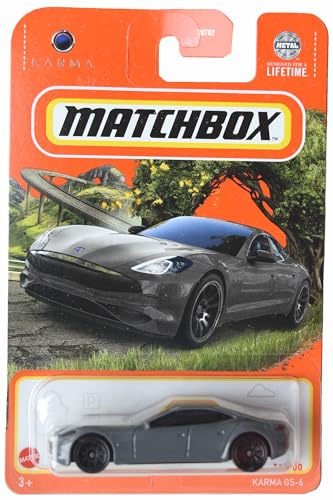
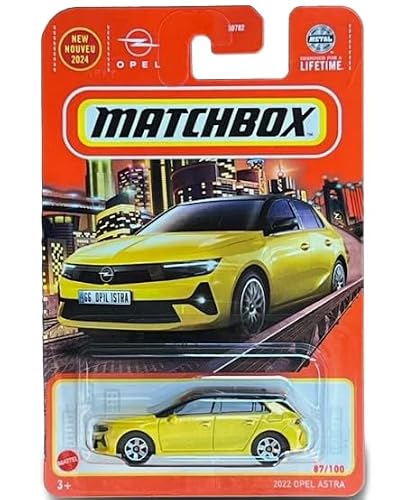
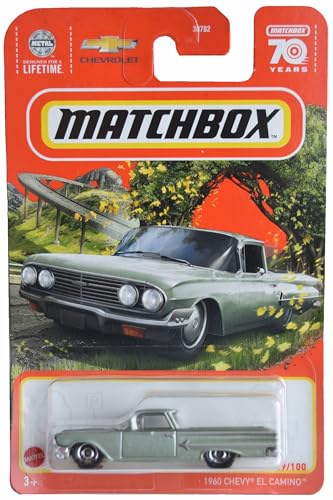
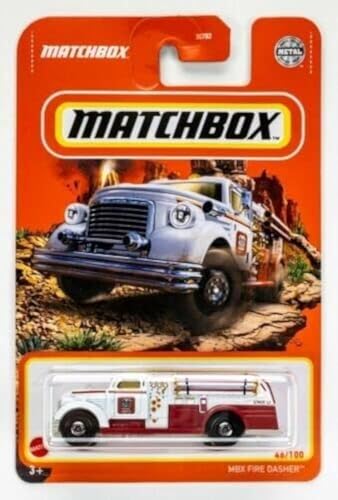
Single 1:64 scale Matchbox cars — the small metal models that started everything in 1953.
Five, nine, twelve or twenty cars in one box — the fastest way to expand a collection at once.
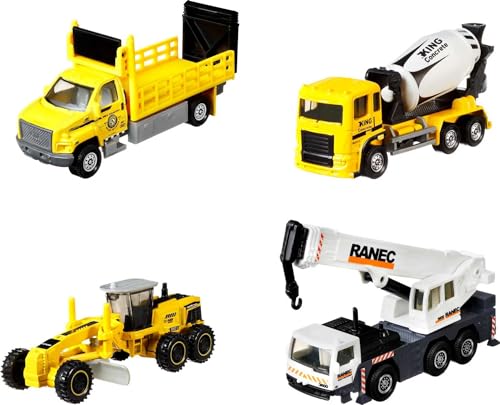
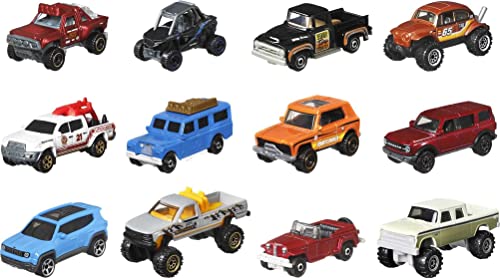
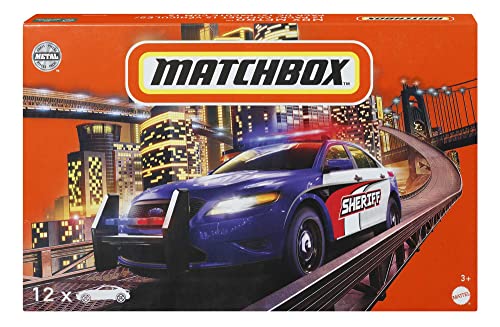
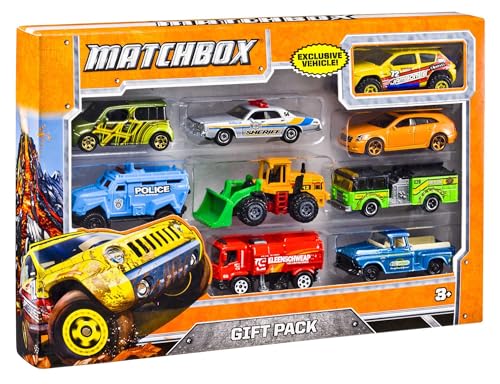
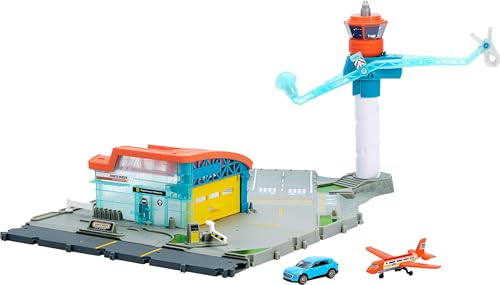
Garages, fuel stations, car washes and transport centres — the track sets a car drives into.
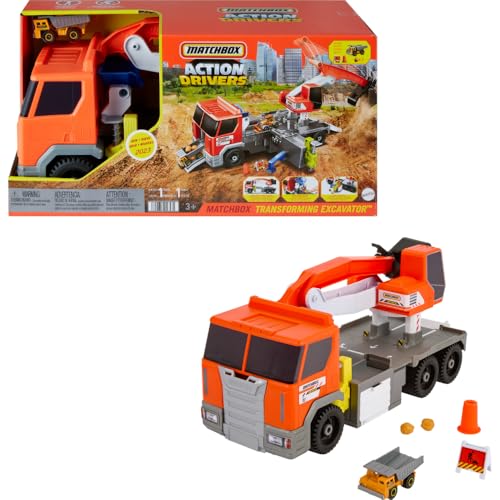
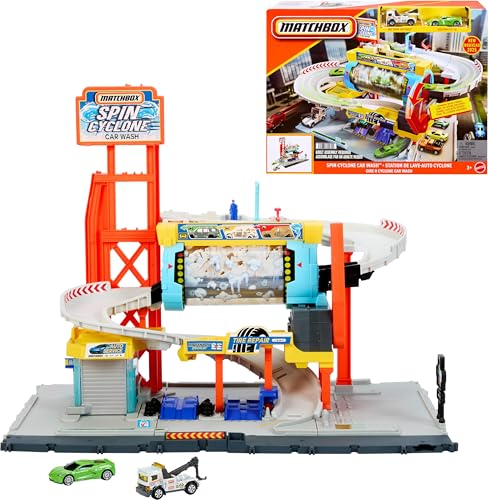
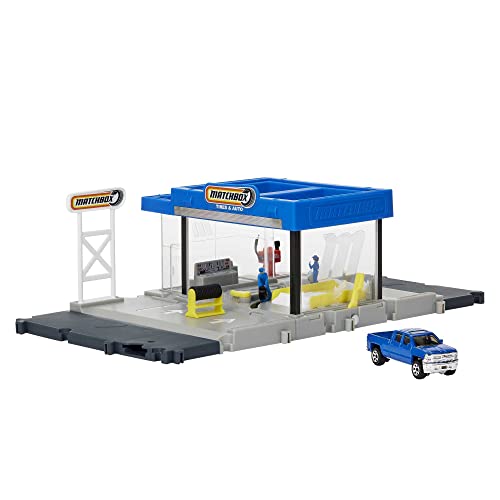
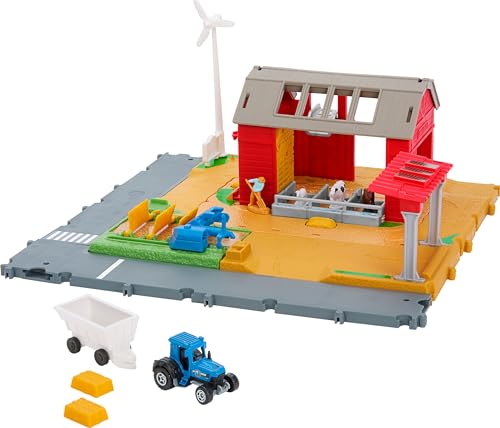
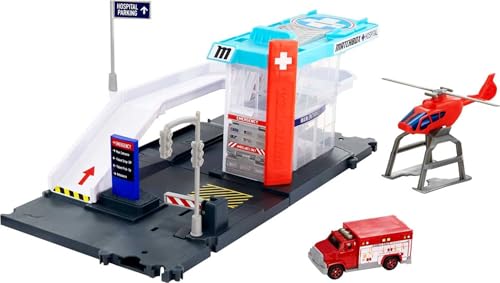
Tractors, excavators, fire engines, ambulances and police cars — the vehicles with a job.
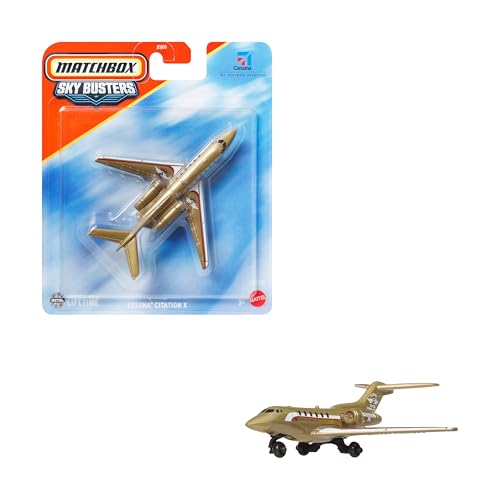
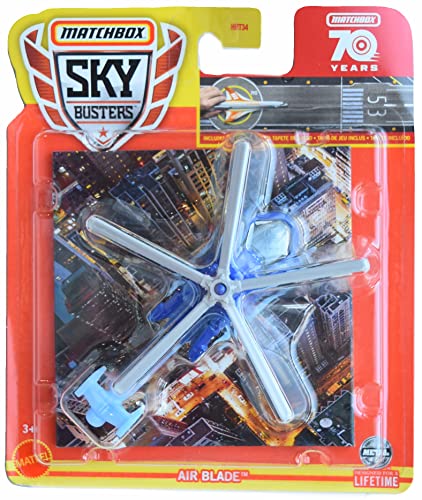
Aircraft, helicopters and spacecraft — the part of the catalogue that leaves the road.
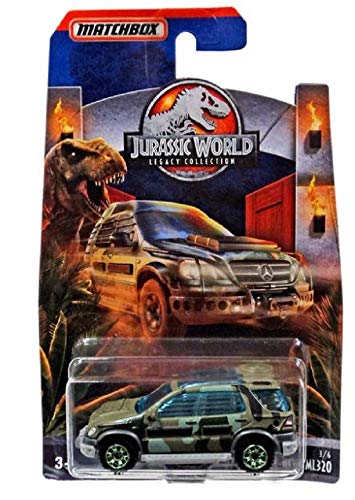
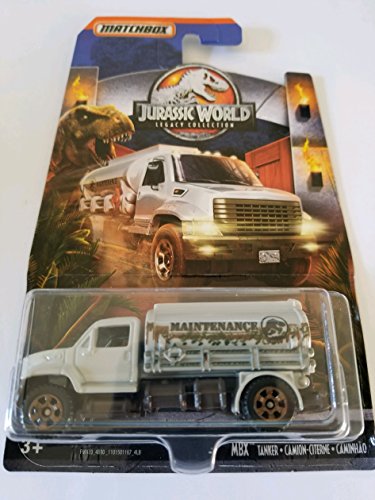
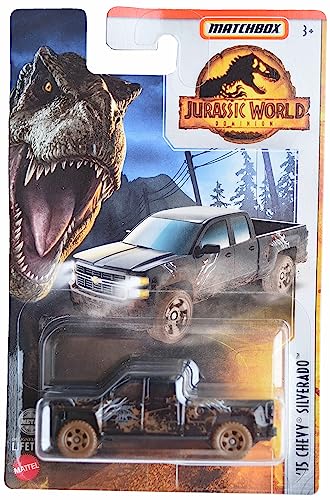
Jurassic World, Indiana Jones and the delivery liveries — models that came from somewhere else first.
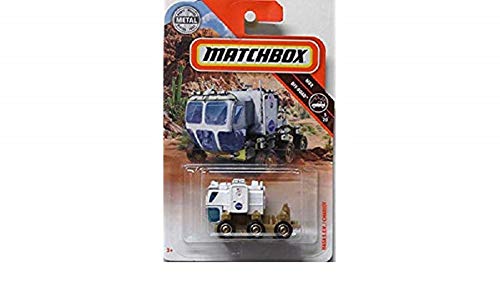
Fifteen inches of truck — the big castings, plus the remote-control models.
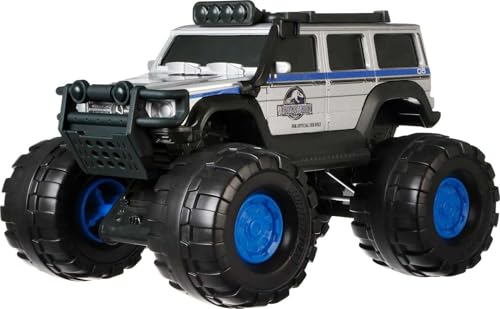
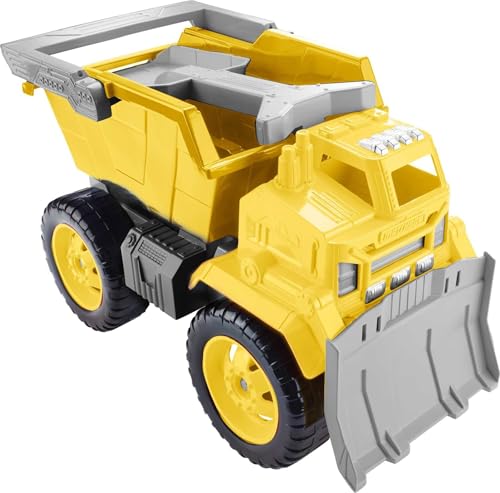
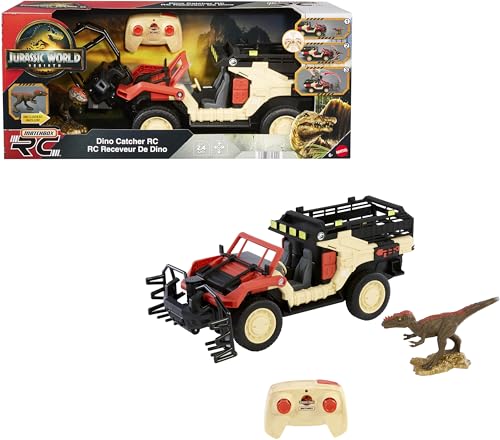
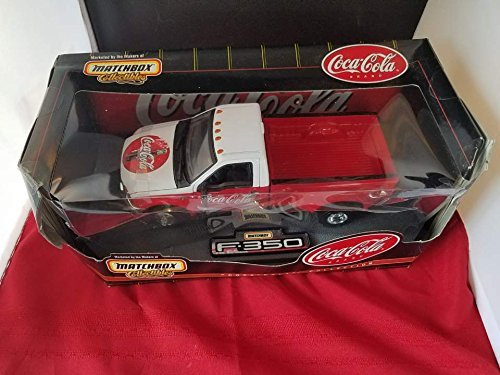
Numbered releases, anniversary sets and the premium castings aimed at adults.
One to sixty-four is a ratio, not a size. It says that sixty-four of something on the model adds up to one of the same thing on the real car — sixty-four inches of real Ford becomes one inch of die-cast Ford. Because real cars are not all the same length, 1:64 models are not either. A Mini at this scale is close to two inches. A long American saloon from the seventies runs past three. Both are correct.
The ratio came out of the box, not out of a drawing office. The original models were sized to close inside a matchbox, and 1:64 is roughly what that constraint produces for an ordinary car. The manufacturer has held the ratio for seventy years, which is the single most useful fact about the brand if you are buying for a shelf: a model released this year will stand beside one released decades ago and look like it belongs there.
Aircraft are the exception. A Boeing at 1:64 would not fit in a room, so Sky Busters models are built to fit the hand instead and the ratio floats. Large-scale trucks break the rule deliberately in the other direction, at fifteen inches and up.
A Matchbox collection is not a list, it is a case. Nobody keeps a tipper next to an airliner because the alphabet says so. These are the rules we sort by.
The same information, in the same place, on every model in the case. No card is written from a template — each one is built from what that particular listing says about itself.
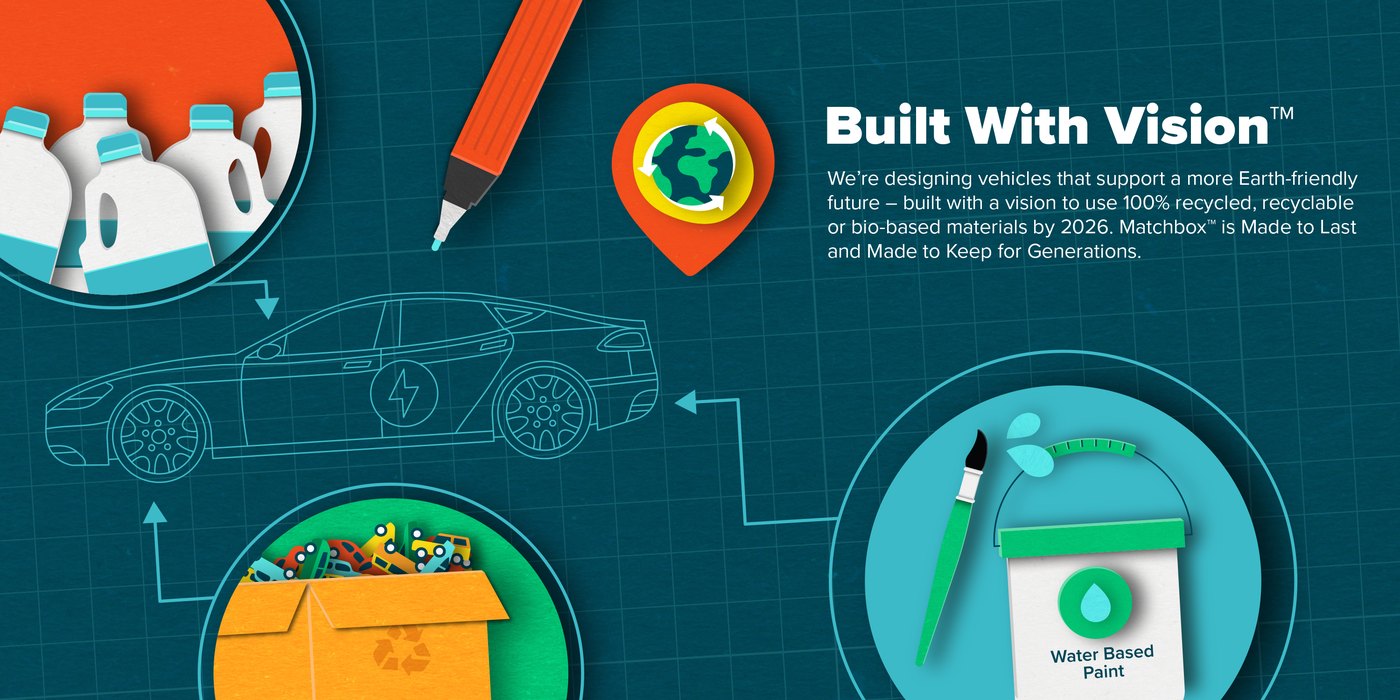
The manufacturer has been moving the line onto recycled zinc and recycled plastic, and reworking the packaging to cut what gets thrown away. Some models now carry a note on the box about the material they are cast from; others ship in card that folds flat rather than plastic that does not.
We mention it because it changes what a car feels like to buy for a child, not because it changes how it drives across a floor. The castings are the same weight and the same finish they have always been.
Most Matchbox cars are 1:64 scale, the ratio that came from fitting a model inside a matchbox in 1953. Because real vehicles differ in length, 1:64 models differ too — a small hatchback is around two inches, a long saloon closer to three and a half. Aircraft in the Sky Busters line are sized to the hand rather than to a fixed ratio, and the large-scale trucks are deliberately much bigger.
The catalogue covers far more than cars. Alongside saloons, coupes and off-roaders there are construction vehicles, farm tractors, fire engines, ambulances, police cars, delivery vans, buses, airliners, helicopters and spacecraft. The brand started with a road roller and a cement mixer, and working vehicles have stayed roughly half of what it makes.
Yes. The brand began in Britain in 1953 under Lesney Products, passed through Universal Toys and Tyco, and has been part of Mattel since 1997. The manufacturer has kept the line separate from its other die-cast range — Matchbox stays with realistic, licensed and working vehicles rather than fantasy castings.
They are, and in volume. New models arrive every year across the mainline, the Collectors line, Sky Busters and the Action Drivers playsets. The whole of this catalogue is current production or current stock — if a model is listed here it was available and priced when we last checked.
Playsets are the track and building sets the cars drive into: garages with lifts, fuel stations, car washes, airports and multi-level transport centres. Most are sold under the Action Drivers name, most include at least one 1:64 scale vehicle, and the connectors are designed so separate sets join into a single layout.
Yes — the Matchbox Collectors line is aimed at adults, with rubber tyres, metal bases and heavier printing than the mainline. Releases are numbered inside their series, and anniversary and legacy sets reissue models from earlier decades. Production runs are shorter, so prices sit above the standard cars.
The mainline die-cast cars are generally marked for ages three and up, as are most playsets, because small parts and small cars are a choking risk for younger children. The large-scale trucks are built for the same age bracket but survive heavier handling. Collectors releases are adult display models rather than toys.
Start with singles or one themed multipack rather than a shelf of boxes. Pick a line you actually like — rescue vehicles, farm machinery, one manufacturer's cars — and collect across it, because an open-ended collection never feels finished. Keep the packaging if resale matters to you, and give the cars a tray so they stop rolling into a drawer.