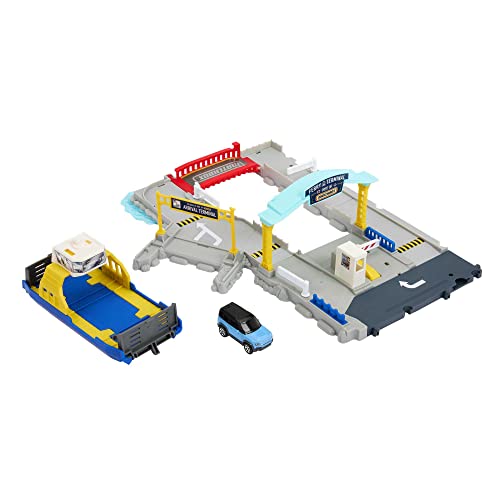
HMH29 Ferry Port Set with Detachable Wheeled Ferry, Elements to Activate Manua
4.8 out of 5 · 492 ratings
1:64
$24.88
Open the slot
Everything a collector needs is printed on the card, in small type, usually in two places. Learning to read it turns a shelf of toys into a catalog you can navigate.
This is what the numbers mean and why they matter when you buy.
A number like 18/30 or 88/125 is a position inside a run. The first figure is this model's place, the second is how many models are in the set it belongs to. A 1:64 car marked 7/20 is the seventh of twenty in that series.
Two fractions on one card is normal and confuses everybody. One usually refers to the year's full mainline release, the other to the themed sub-series the car belongs to — MBX Rescue, Working Rigs, City Drivers. Both are useful; the sub-series one is the number a collector hunts by.
Printed above or beside the model name, and it tells you what you are buying before you look at the casting. MBX is the mainline. Working Rigs means a heavier commercial casting. Moving Parts means something on the model opens. Collectors means rubber tires and a metal base. Sky Busters means it flies.
Line names also predict price. Mainline cars sit at the bottom, Moving Parts a step up, Collectors higher again, and a premium or anniversary box higher still.
Matchbox restarts its numbering every year, so a fraction without a year is ambiguous — there is a 7/20 in most seasons. The year is usually printed small on the base of the card or stamped into the model's chassis.
If you are completing a series, the year is the thing to check first. Two cars with the same fraction and different years belong to different sets.
Printed liveries are the brand's signature and the quickest way to judge a casting. Matchbox prints rather than stickers almost everything, so edges stay sharp, graphics survive handling, and a twenty-year-old car still reads cleanly.
Licensed liveries — real couriers, real emergency services, film vehicles — are copied from the original rather than invented. These are also the models most likely to stop production without warning, because the license behind them runs out.
Rarity. A low production run leaves no mark on the packaging, and the models that became difficult to find were ordinary when they shipped. Nothing printed on a card will tell you what it is worth in ten years.
Condition, once the blister is open, is the other thing. Check the wheels sit square and the print has no breaks before you add a loose model to a display.
4.8 out of 5 · 492 ratings
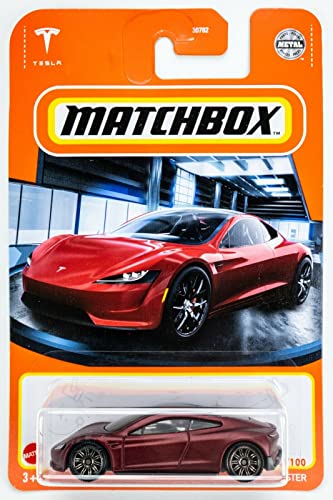
4.7 out of 5 · 199 ratings
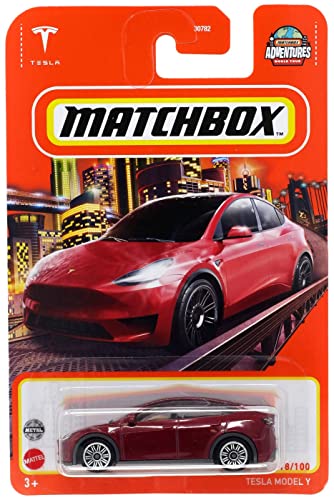
4.7 out of 5 · 178 ratings
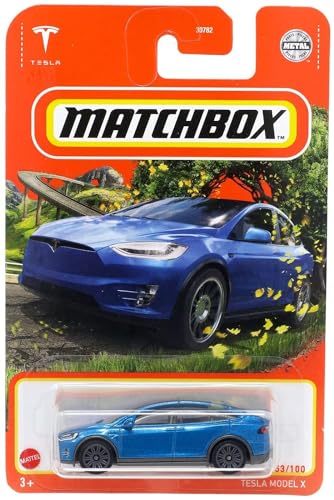
4.6 out of 5 · 127 ratings