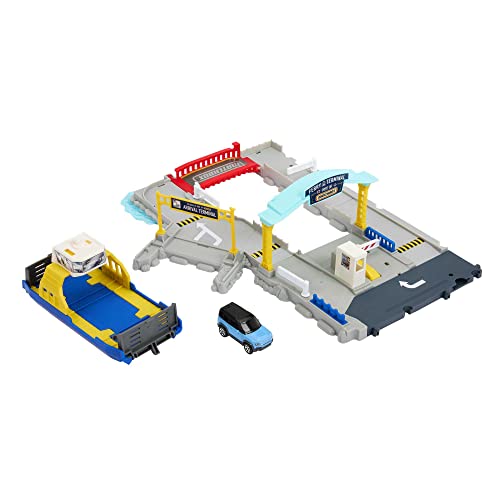
HMH29 Ferry Port Set with Detachable Wheeled Ferry, Elements to Activate Manua
4.8 out of 5 · 492 ratings
1:64
$24.88
Open the slot
The hardest part of collecting is the first fifty cars, because fifty random models is not a collection — it is a drawer. What follows is the route we would take if we were starting a case of Matchbox cars again tomorrow.
None of it requires spending much. Matchbox has always been the cheap end of diecast, and that is the point of it. A single mainline car costs less than a coffee, which means the barrier to starting is attention rather than money.
A five-pack costs less than five singles and arrives sorted around a theme. More usefully, it tells you fast which category of model you actually like holding. People who think they want sports cars frequently discover they want tippers.
Open it, put the five on a shelf, and leave them there for a week. Whichever one you keep picking up is the line to collect.
Collecting everything Matchbox makes is not a plan, it is a subscription. Collecting one thread through the catalog is a plan: every fire appliance, every farm tractor, every Ford, every release in one numbered series. A thread gives a collection a shape and an end.
It also makes the hunting enjoyable, because you know what you are missing instead of buying whatever is on the peg. The possibilities are wider than they look — people collect by color, by decade, by country of origin, by the job the vehicle does.
Two camps, and you have to pick one. Carded collectors keep models sealed on the blister, which holds resale value and costs shelf depth. Loose collectors open everything, which is the only way to see the casting properly and the only way a car gets played with.
There is no right answer, but mixing the two is the thing that annoys people later, when half a collection is in boxes and half is not and nothing displays evenly.
A collection without a case becomes a drawer within a year. Trays, a shallow showcase cabinet, even a shoebox with card dividers — anything that gives each model a slot and keeps the wheels off each other's paint.
Diecast paint chips when metal knocks metal. The damage happens in storage, not in play, and it is the single thing that separates a twenty-year-old collection that still looks good from one that does not.
Chasing rare models early. A collector six months in does not yet know what they want, and the expensive gap-filling purchases made in that window are usually the ones sold on later at a loss.
Buy mainline cars for the first year. The Collectors line will still be there, and by then you will know which three releases you actually want from it.
Eight types, and knowing the names saves hours — anyone can find their way around the catalog once they can read them, and between them they cover the whole history of the brand. What a line is called tells you the price before you look at the casting.
Marques are the other axis. Ford is the deepest, then the Japanese makers, then European names like Audi. If you want a convertible, a police car or a tractor specifically, it is faster to explore by tray than by manufacturer, because the brand designs to a job rather than to a badge. Size follows the real vehicle, not the price.
Three habits. Re-read your own list every few months, since what you are missing changes as models are added and withdrawn. Keep a short note of the gaps — the information you want in a store aisle is not the information you want at home. And expand sideways rather than upward: a second thread through the catalog is cheaper and more interesting than chasing one rare gem.
The international side is worth knowing about. A livery released in Europe is not automatically released in the United States, so a model that looks ordinary in one country is the hard one in another. Nothing is personalized, so the only thing that makes a case yours is which favorites you chose and which gaps you decided to close. You create a collection by picking a thread, not by buying whatever you can grab.
Condition is the last thing. A carded model that has never been opened holds value; a loose one that has been played with does not, and neither is wrong. The experience of completing one series is worth more than a drawer of models bought at random.
Roughly: one multipack, thirty or forty singles picked because you liked them rather than because they were listed as rare, one playset if there are kids in the house, and a tray to keep it all in. That is a real collection and it costs less than one premium model from a specialist line.
By the end of it you will know your own category, you will recognize a good casting across a store aisle, and you will have a short list of gaps worth money. That list is the thing a collection is actually for.
4.8 out of 5 · 492 ratings
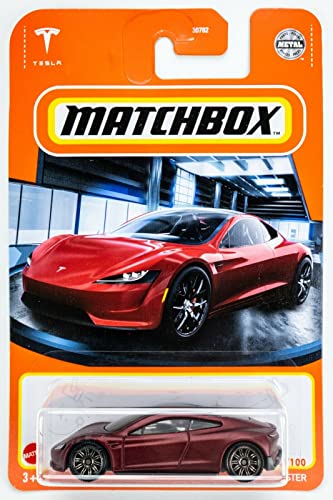
4.7 out of 5 · 199 ratings
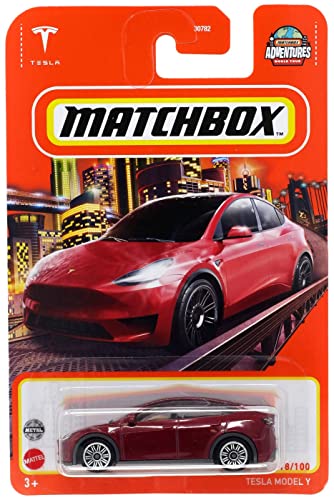
4.7 out of 5 · 178 ratings
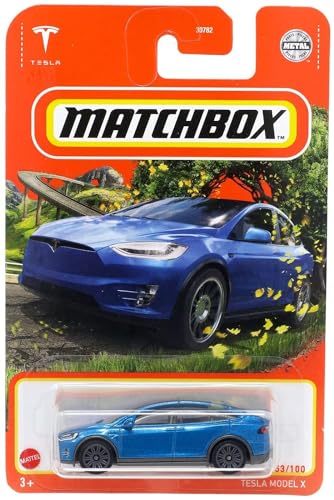
4.6 out of 5 · 127 ratings